








What Makes Complexion Code Glow Different — Antioxidants, Balance, and Lasting Luminosity

Dr. Juan Camilo Calderon
Medical Doctor
Monday, Jun 29, 2026

Our Solution:
Table of content: What you will learn
Listen on the Go
Listen Time 6 mins
In a market saturated with brightening serums, vitamin C formulas, and radiance-promising skincare, professionals need a clear clinical answer to a simple question: what is actually different about Complexion Code Glow?
The answer is not in the marketing. It is in the mechanism — and in the delivery technology that makes the mechanism clinically relevant.
The Problem with Standard Brightening Products
Most brightening products on the market address a single mechanism: they either inhibit tyrosinase activity, provide surface antioxidant protection, or exfoliate accumulated pigment. Each of these approaches can produce temporary visual improvement — but none of them addresses the biological complexity of dull skin.
Dull skin is not one problem. It is several simultaneous problems:
- Oxidative stress accumulating from UV, pollution, and metabolic activity.
- Micro-inflammatory signaling disrupting pigment distribution and cellular communication.
- Barrier instability reducing hydration, plumpness, and light-reflective quality.
- Melanocyte dysregulation creating uneven tone that filters light inconsistently.
A product that addresses only one of these mechanisms will deliver partial, unstable results. Complexion Code Glow was formulated to address all four simultaneously.

17 Antioxidants — Why It Matters
Complexion Code Glow contains 17 antioxidants, each selected for specific roles in the skin's antioxidant defense network. Key actives include:
- Thioctic Acid (Alpha-Lipoic Acid): a universal antioxidant that functions in both lipid and water environments, capable of regenerating other antioxidants and directly neutralizing reactive oxygen species at the mitochondrial level.
- Grape Seed Extract (Proanthocyanidins): potent free-radical scavengers with anti-inflammatory properties that support collagen integrity and reduce vascular reactivity — a key contributor to uneven tone.
- Mandelic Acid: provides controlled surface renewal without the irritation risk of stronger acids, reducing accumulated pigment while supporting the skin's natural exfoliation cycle — suitable for reactive and photosensitive skin.
This multi-antioxidant approach mimics the complexity of the skin's own antioxidant network — which relies on dozens of molecules working in coordination, not a single high-dose active.

Nanosomes Technology — Precision Where It Counts
Antioxidants are molecularly unstable. Exposure to air, light, and pH changes degrades them before they reach the skin layers where they are needed. This is why most antioxidant products deliver disappointing clinical results: the actives are consumed before they can act.
Complexion Code Glow uses nanosomes technology — lipid vesicles that encapsulate and protect each active until it reaches its target layer. This enables:
- Precise penetration depth: actives are delivered to the epidermal and dermal layers where oxidative damage originates — not just the surface.
- Sustained release: nanosomes open gradually, extending the window of antioxidant activity and reducing the concentration spikes that can cause irritation.
- Stability: actives remain active until delivery, ensuring clinical potency in the formulation is matched by clinical potency in the skin.
Gentle Melanocyte Modulation
Unlike aggressive depigmenting agents, Complexion Code Glow includes gentle melanocyte modulation through the combined action of Mandelic Acid and its complementary actives. This is not corrective depigmentation — it is biological tone regulation: supporting a more even distribution of melanin synthesis without triggering the post-inflammatory responses that can worsen pigmentation, especially in summer.
This makes Complexion Code Glow particularly valuable as a summer radiance protocol for patients across all Fitzpatrick types, including those with higher melanocyte activity who are typically poor candidates for aggressive lightening treatments under sun exposure.
Clinical Results: Sustained Luminosity
The clinical outcome of Complexion Code Glow is not instant brightness. It is progressive, sustained luminosity — the result of the skin's antioxidant capacity being restored and its micro-inflammatory signaling being reduced over weeks of consistent use. Patients typically observe:
- More even, translucent skin tone by week 3–4
- Reduced appearance of dullness and uneven texture
- Improved response to subsequent corrective protocols
- Maintained radiance between in-office treatments
Recommended Protocol
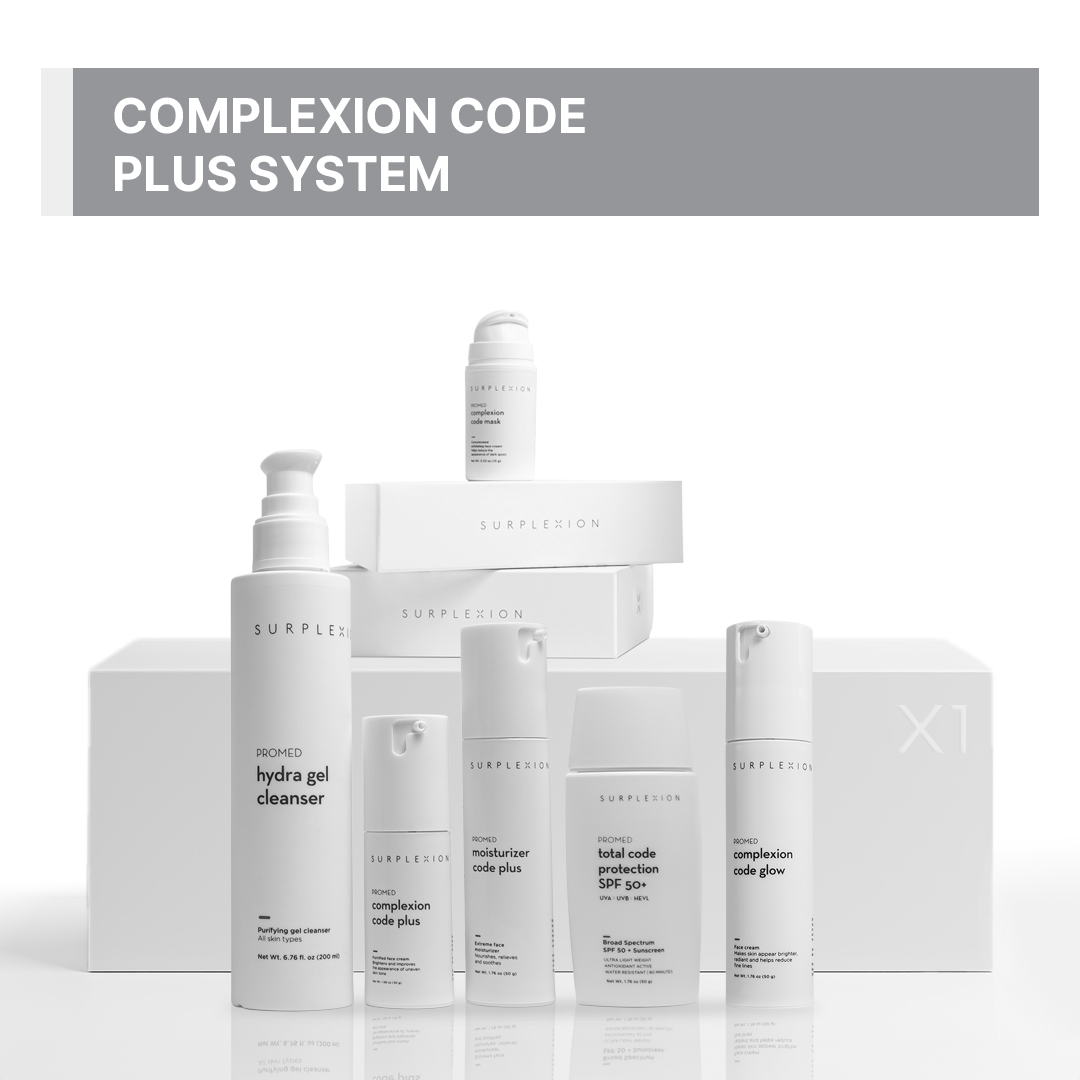
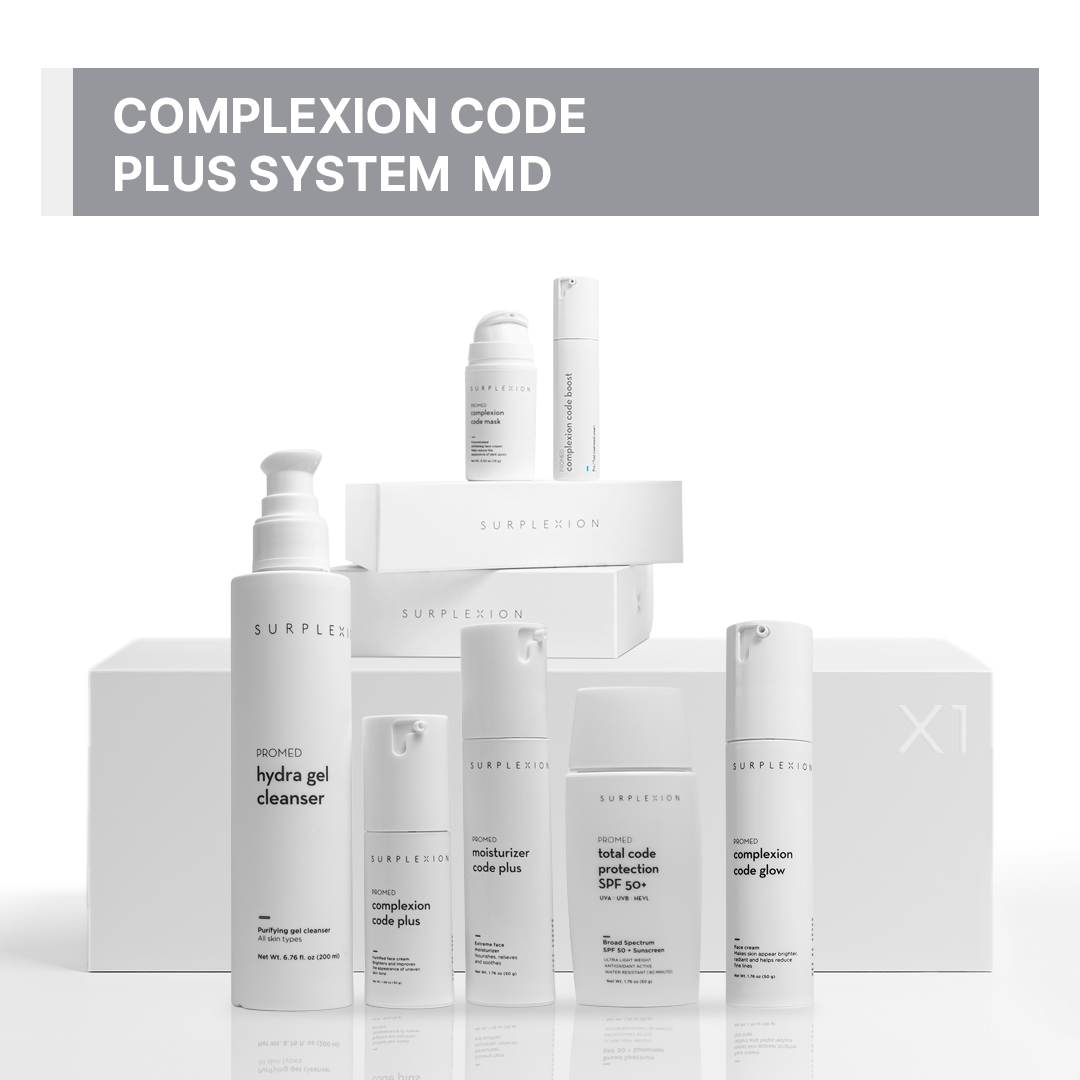
AM: Hydra Gel Cleanser → Complexion Code Glow→ Moisturizer Code Repair → Total Code Protection SPF 50+
PM: Hydra Gel Cleanser → Complexion Code Glow → Moisturizer Code Repair
Order Complexion Code Glow

Dr. Juan Camilo Calderón
Medical Doctor
All protocols validated by Juan Camilo Calderón, MD — XTETIC Medical Director. A physician trained in Dermatology and aesthetic medicine immunology. He is also a professor, scientific consultant, international speaker, and dermatology publication reviewer.


