





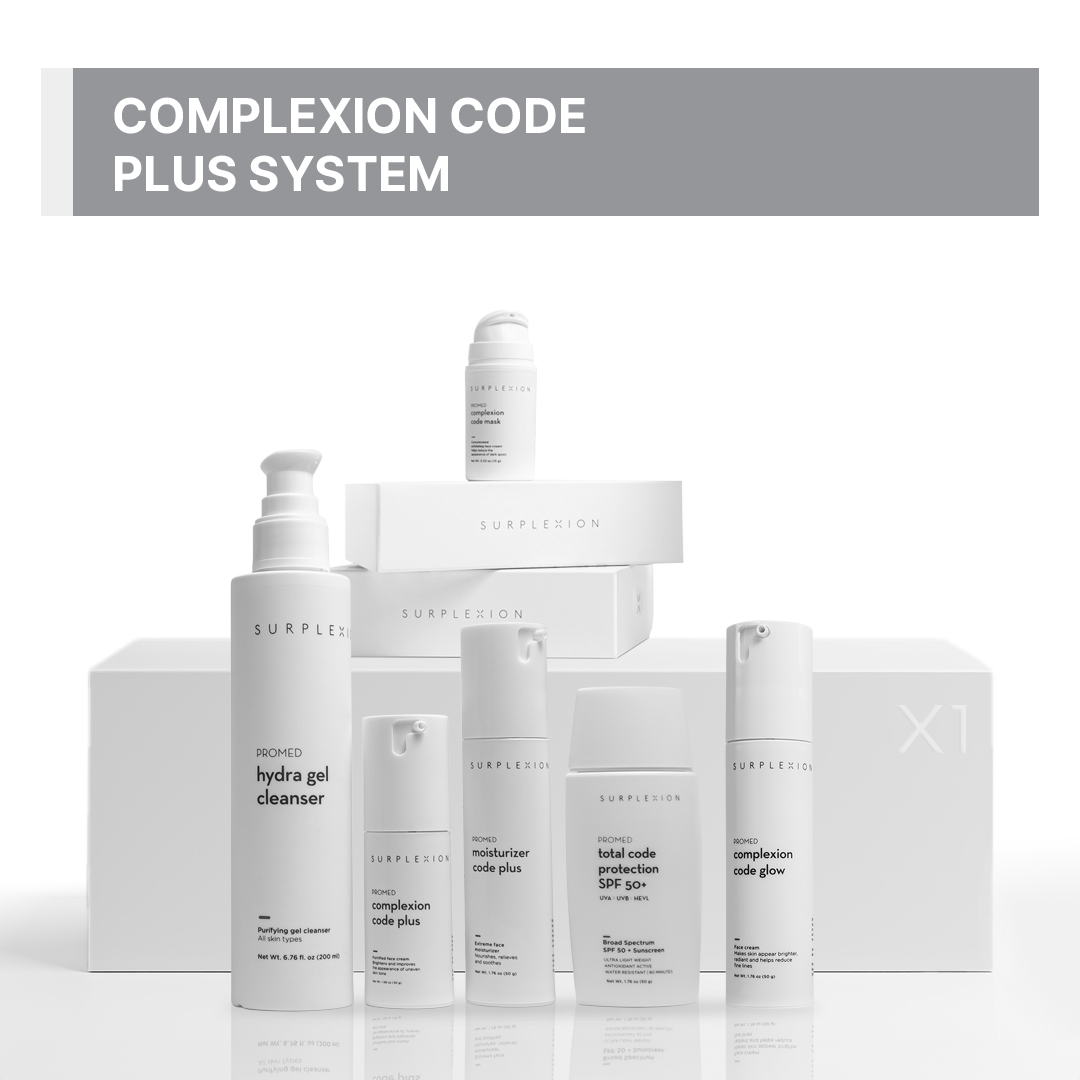


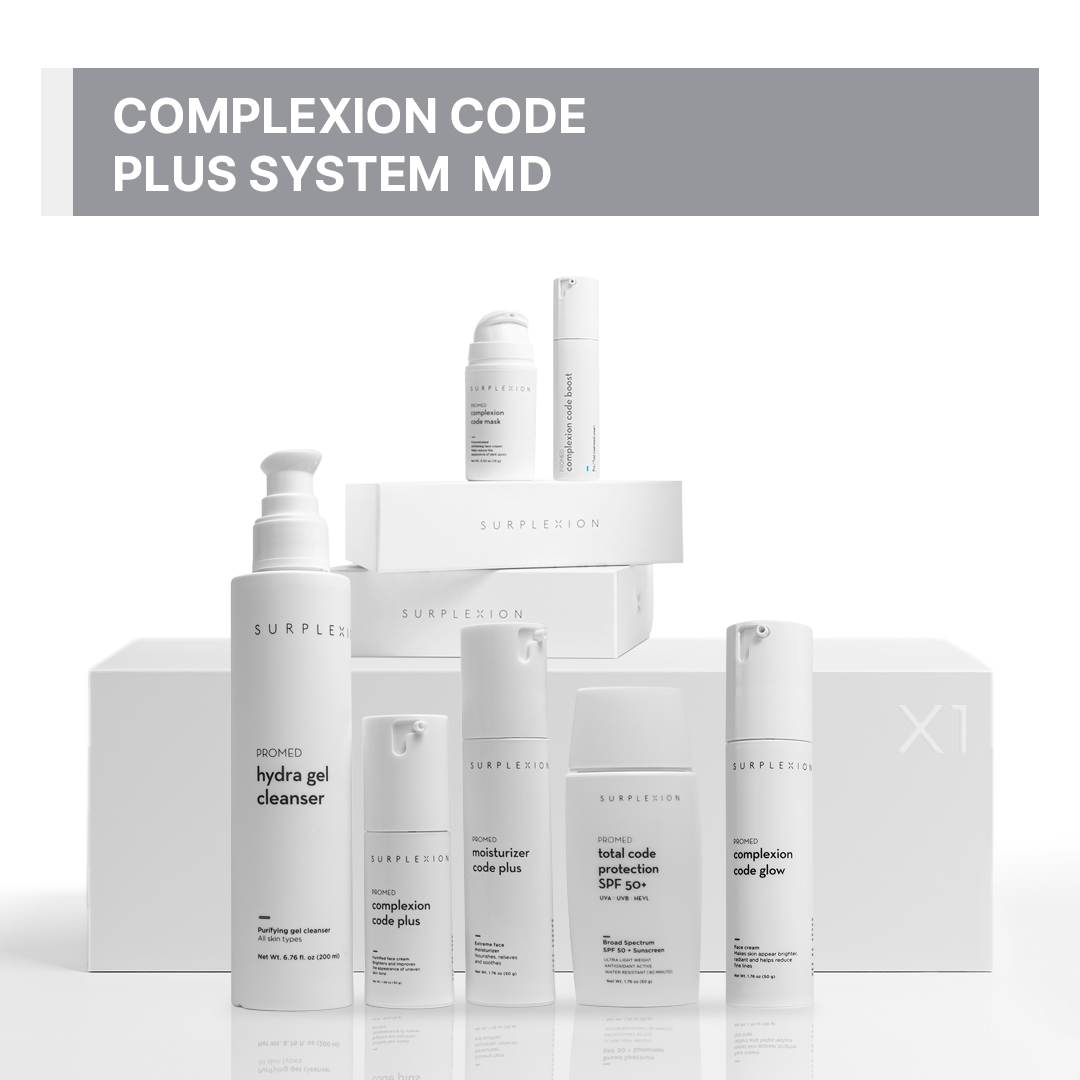


Hyperpigmentation can be a challenging skin concern, manifesting as dark spots, melasma, or uneven skin tone. Fortunately, advances in dermatology offer effective treatments to restore a more even complexion. Among these, chemical peels and tranexamic acid stand out as powerful options. Let’s delve into how these treatments work and how they can help you achieve clearer, more radiant skin.
Understanding Hyperpigmentation
Hyperpigmentation occurs when excess melanin, the pigment responsible for skin color, accumulates in certain areas of the skin. This can result from various factors, including sun exposure, hormonal changes, and inflammation. Addressing hyperpigmentation typically requires targeted treatments that can reduce melanin production and promote skin renewal.
Chemical Peels: A Deep Dive
Chemical peels are a popular treatment for hyperpigmentation due to their ability to exfoliate the skin and improve tone and texture. Here’s how they work:
- Exfoliation: Chemical peels use acids such as glycolic, salicylic, or trichloroacetic acid to dissolve the bonds between dead skin cells. This exfoliation removes the outer layers of the skin, including those with excess pigment.
- Skin Renewal: By shedding the upper layers of skin, chemical peels reveal fresher, less pigmented skin underneath. Additionally, this process stimulates the production of new skin cells and collagen, which helps in reducing the appearance of dark spots and improving overall skin texture.
- Types of Peels: Chemical peels vary in strength from superficial to deep. Superficial peels are typically used for mild hyperpigmentation, while deeper peels may be necessary for more severe cases. Your dermatologist will recommend the best type based on your skin type and pigmentation concerns.
Tranexamic Acid: A New Frontier
Tranexamic acid, traditionally used as an antifibrinolytic agent in medicine, has emerged as a promising treatment for hyperpigmentation. Here’s why it’s gaining attention:
- Mechanism of Action: Tranexamic acid works by inhibiting the interaction between melanocytes (pigment-producing cells) and keratinocytes (skin cells). This reduces the production of melanin, thereby lightening dark spots and uneven skin tone.
- Topical Application: Tranexamic acid can be applied topically in the form of serums or creams. It is often used in combination with other treatments, such as chemical peels, to enhance overall efficacy.
- Clinical Evidence: Studies have shown that tranexamic acid is effective in treating various types of hyperpigmentation, including melasma and post-inflammatory hyperpigmentation. It is generally well-tolerated with minimal side effects.
Combining Treatments for Optimal Results
For many individuals, a combination of chemical peels and tranexamic acid offers the best results. Chemical peels can provide immediate exfoliation and skin renewal, while tranexamic acid can offer long-term reduction in melanin production. Your dermatologist can create a personalized treatment plan that combines these approaches to address your specific needs and achieve the best outcomes.
Conclusion
Chemical peels and tranexamic acid are powerful tools in the fight against hyperpigmentation. By understanding how these treatments work and consulting with a dermatologist, you can take proactive steps toward a clearer, more even complexion. Embrace these advances in skincare and let your natural radiance shine through!