





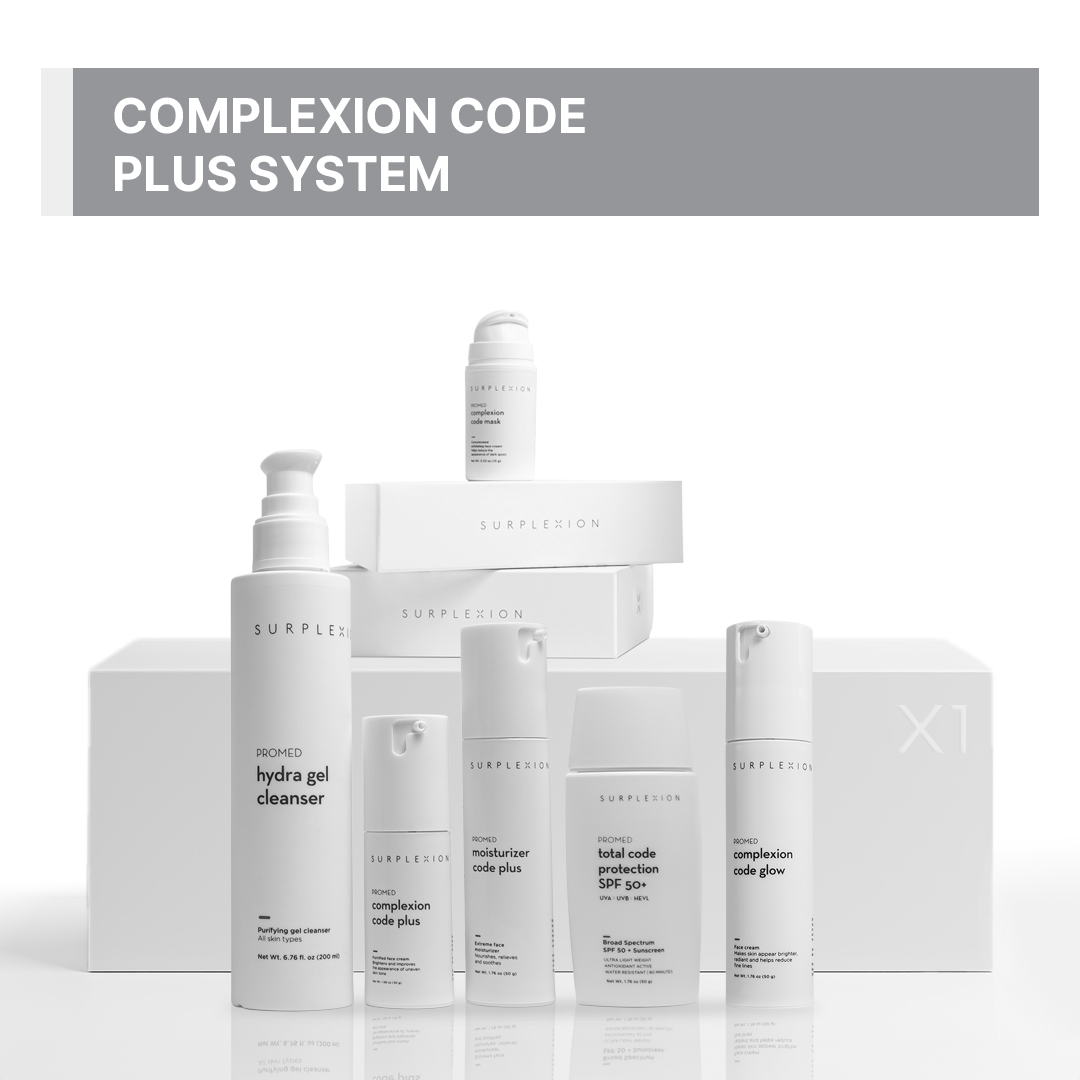


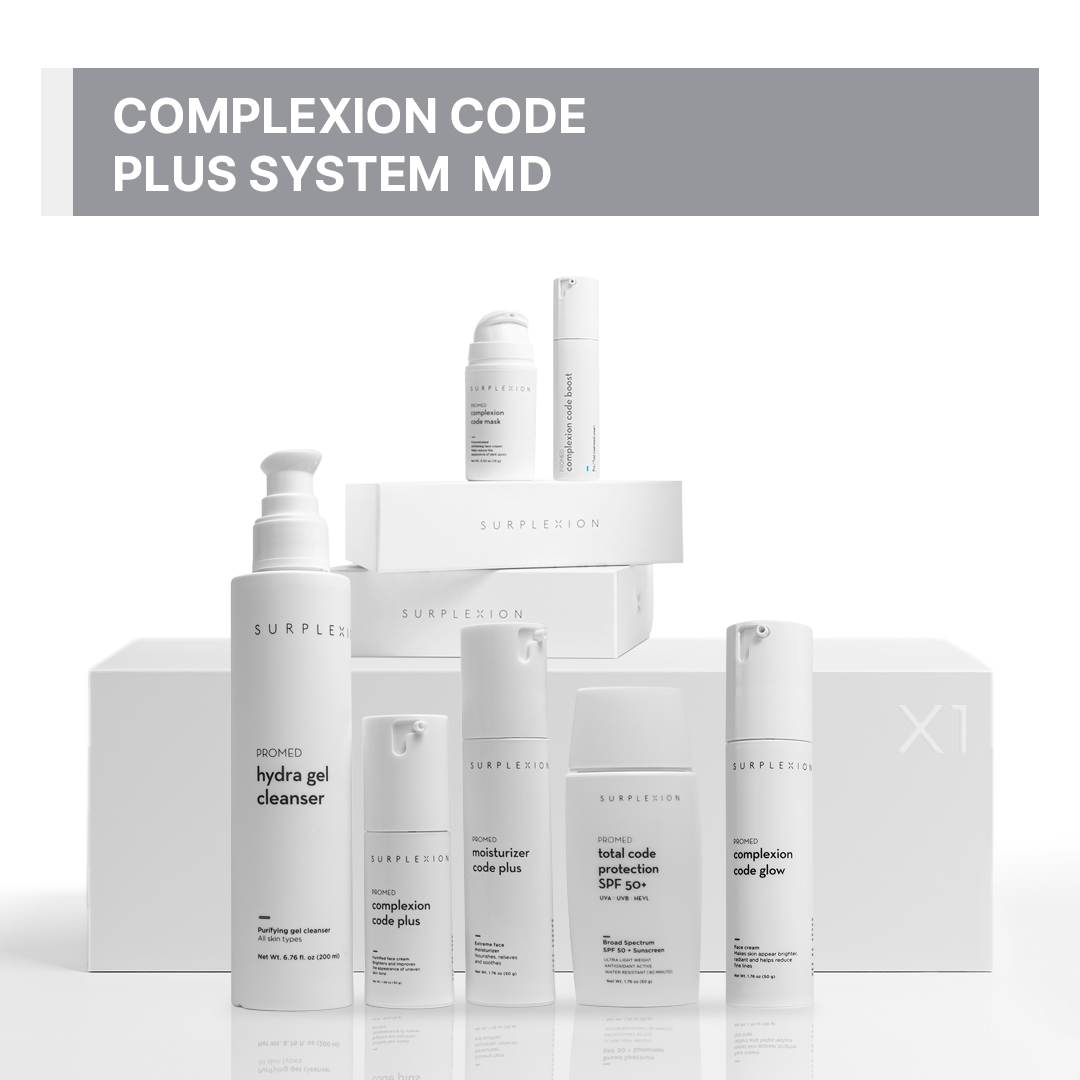


In the ever-evolving field of medical aesthetics, X-DNA, niacinamide, ascorbic acid, and retinol have emerged as cornerstones in age management. These active ingredients deliver targeted benefits, addressing the multifactorial processes that drive skin aging. Their inclusion in professional aesthetic treatments reflects a commitment to evidence-based outcomes and patient satisfaction.
-
X-DNA: Cellular Protection and Repair
X-DNA, a purified form of deoxyribonucleic acid, is celebrated for its ability to enhance skin hydration and protect cellular structures from oxidative damage. This naturally derived polymer supports collagen repair, improving skin elasticity and resilience. Its application is particularly valuable in revitalization treatments aimed at reducing the visible signs of aging.
In professional settings, X-DNA is often delivered through advanced modalities such as microneedling or mesotherapy for deep penetration. For example, X.PROF 110 X-DNA, a sterile gel, leverages these benefits in combination with cutting-edge transdermal techniques.
-
Niacinamide: Multifunctional Efficacy
Niacinamide, a form of vitamin B3, is a true multitasker in dermatology. It strengthens the skin barrier, reduces inflammation, and enhances DNA repair processes. With proven efficacy in addressing hyperpigmentation, uneven tone, and fine lines, it is a trusted component in managing photoaging and oxidative stress.
Niacinamide is commonly integrated into transdermal solutions, such as C.PROF 213 Mesotox Solution, to target skin conditions requiring both rejuvenation and protection. Its versatility makes it an essential ingredient for professionals seeking results-driven formulations.
-
Ascorbic Acid: Brightening and Collagen Support
Ascorbic acid (vitamin C) is a powerful antioxidant that protects against UV-induced free radical damage while stimulating collagen synthesis. Its ability to lighten hyperpigmentation and promote a radiant complexion makes it a go-to for age management.
Professional-grade treatments often incorporate ascorbic acid in peels or solutions for its dual role in brightening and strengthening the dermal structure. Products like Restructurer utilize this ingredient to deliver these outcomes effectively.
-
Retinol: The Gold Standard for Renewal
Retinol, a derivative of vitamin A, remains unparalleled in its ability to accelerate cell turnover and stimulate collagen production. By promoting epidermal renewal, retinol reduces the appearance of fine lines, wrinkles, and uneven texture.
Professionally formulated treatments, such as Lightening, harness retinol’s benefits to address skin aging comprehensively. These solutions balance potency and tolerability, ensuring results without excessive irritation.
Conclusion
X-DNA, niacinamide, ascorbic acid, and retinol represent the cornerstone of scientifically backed approaches to skin aging. Their diverse mechanisms target oxidative stress, collagen degradation, and cellular renewal, making them indispensable for professionals in aesthetic medicine. By incorporating these actives into treatments, clinicians can deliver visible, long lasting results that align with patient expectations.
References
Boo, Y. C. (2021). Mechanistic Basis and Clinical Evidence for the Applications of Nicotinamide (Niacinamide) to Control Skin Aging and Pigmentation. Antioxidants, 10(8), 1315. https://doi.org/10.3390/antiox10081315
Mukherjee, S., Date, A., Patravale, V., Korting, H. C., Roeder, A., & Weindl, G. (2006). Retinoids in the treatment of skin aging: an overview of clinical efficacy and safety. Clinical Interventions in Aging, 1(4), 327–348. https://doi.org/10.2147/ciia.2006.1.4.327
Rendon, M. I., & Gaviria, J. I. (2005). Retinoids: An Update on Clinical Uses. Dermatologic Therapy, 18(4), 219-229. https://doi.org/10.1111/j.1529-8019.2005.05021.x
Mesoestetic. (n.d.). X.PROF 110 X-DNA. Retrieved from https://xtetic.com/products/x-prof-x-dna