








Controlled Regenerative Remodeling

Once dermal structure has been progressively restored and cellular communication re-established, the skin reaches a threshold where refinement can be introduced with greater biological tolerance. At this stage, the tissue is generally more resilient than during early regenerative phases, although individual variability remains.
Fibroblast activity tends to be more organized, the extracellular matrix more functionally cohesive, and signaling pathways better coordinated than in structurally compromised skin. (1)
Unlike aggressive renewal strategies that rely on repeated injury, controlled remodeling refines what regeneration has already rebuilt. The objective is not correction through damage, but precision refinement—improving firmness definition, surface texture, and tone uniformity while preserving biological stability.
Controlled Remodeling as a Biological Necessity
Remodeling is a physiological process when it occurs on biologically prepared tissue. Once regenerative foundations are in place, the skin is better able to reorganize collagen fibers, normalize epidermal turnover, and harmonize melanogenesis without excessive inflammatory activation. (2)
In this context, remodeling acts as a consolidating phase. Fibroblasts tend to respond more predictably to controlled stimuli, supporting collagen alignment and dermal cohesion rather than entering prolonged repair states. (3)

A Regenerative Perspective on Refinement
From a regenerative medicine standpoint, refinement must respect biological order. Remodeling introduced too early may disrupt active repair processes, while delayed intervention often yields limited impact. When appropriately timed, remodeling translates regeneration into visible quality without compromising tissue resilience. (4)
Controlled remodeling enhances epidermal–dermal integration, supports more organized collagen alignment, and contributes to balanced pigment distribution without altering facial expression or provoking chronic inflammation.
XTETIC Solutions: Precision Remodeling With Biological Respect
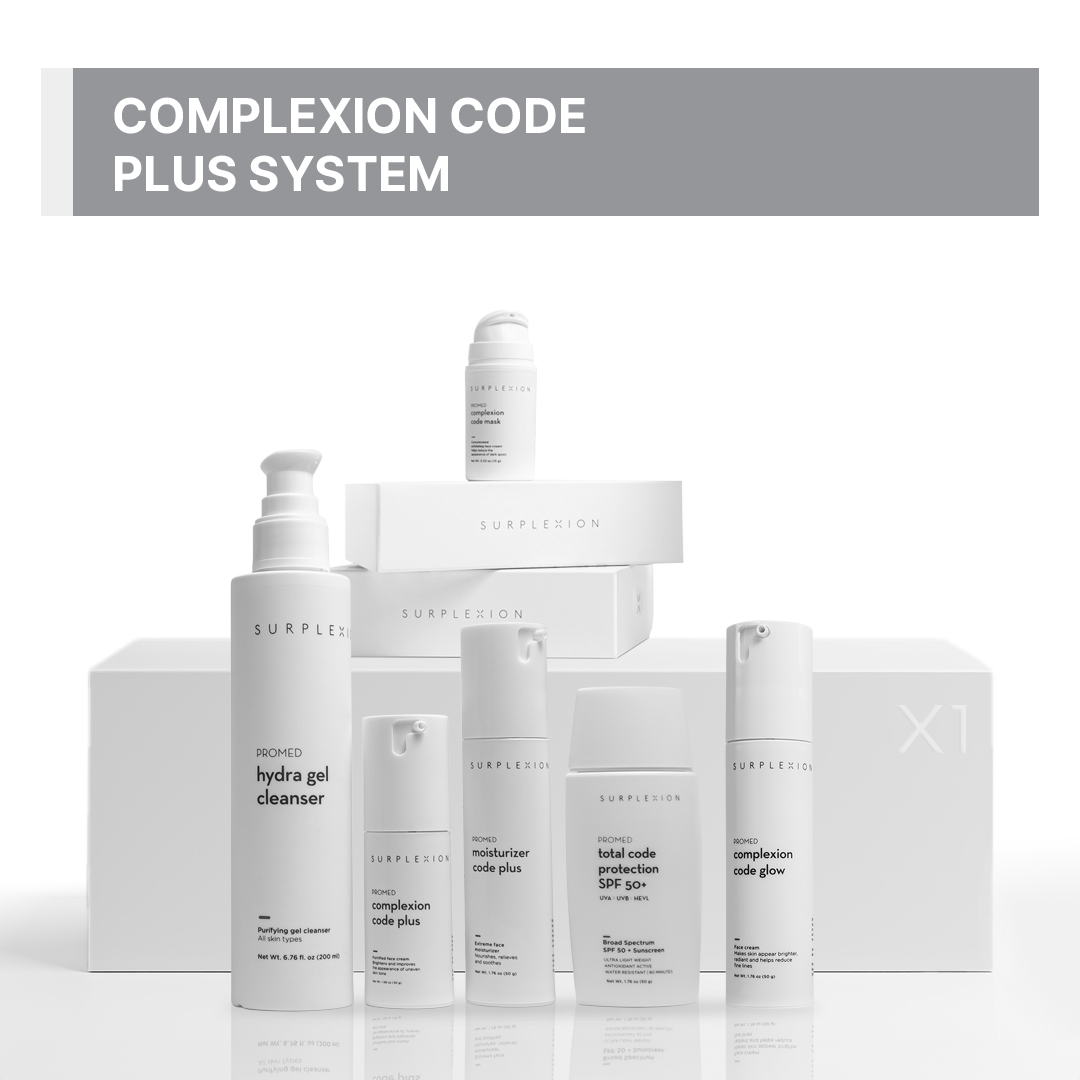
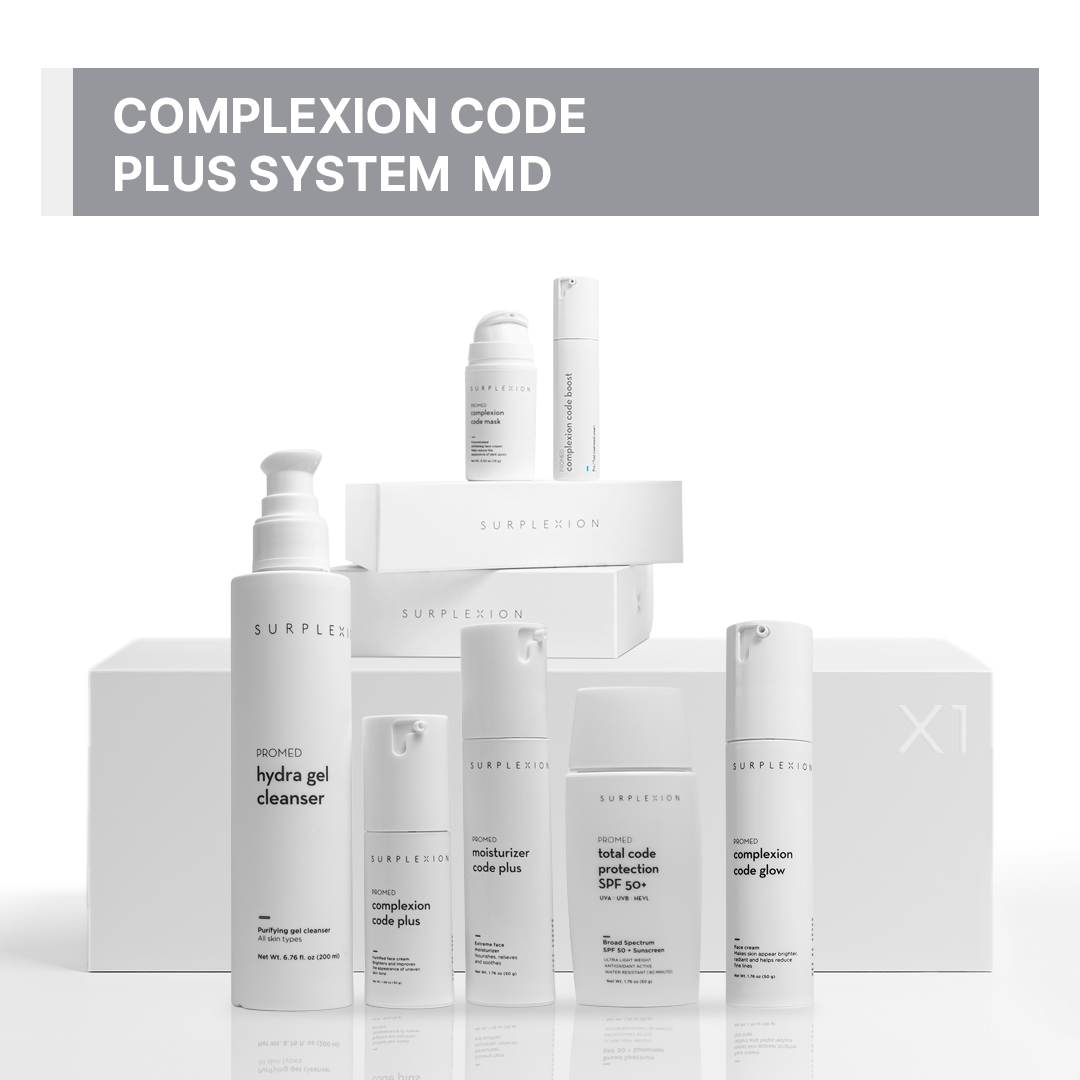
Complexion Code Plus System — Guided Renewal for Structural Refinement
The Complexion Code Plus System is designed to deliver controlled epidermal and superficial dermal remodeling while maintaining regenerative stability. Its protocol balances renewal with recovery, allowing refinement without provoking excessive inflammatory response.
Clinically, this translates into smoother surface texture, improved tone uniformity, refined firmness without undue tissue stress, and greater predictability across treatment cycles.
Learn More About Complexion Code Plus System
DNA-PEPT HA — Stabilizing Remodeling Through Regenerative Support
While controlled renewal initiates refinement, biological support is essential to stabilize the process. DNA-PEPT HA reinforces remodeling by supporting cellular recovery mechanisms and maintaining dermal hydration.
Polynucleotides (PDRN) support tissue recovery and fibroblast viability during periods of controlled renewal, while hyaluronic acid preserves matrix hydration and mechanical resilience.
Learn More About DNA-PEPT HA

INNO-EXOMA — Maintaining Coordinated Regenerative Signaling During Refinement
During controlled regenerative remodeling, the objective is not to restart repair, but to consolidate and organize regeneration already in place. At this stage, tissue response depends less on stimulation and more on coordinated cellular communication.
INNO-EXOMA supports this process by reinforcing intercellular signaling pathways that guide fibroblast activity and collagen organization during refinement. By helping maintain signaling coherence between dermal cells, INNO-EXOMA contributes to more uniform tissue behavior as remodeling progresses.
Clinically, INNO-EXOMA supports:
- Coordinated collagen and elastin organization
- More predictable tissue response during refinement
- Reduced risk of disorganized or uneven remodeling
- Improved stability of regenerative results
Used alongside DNA-PEPT HA, INNO-EXOMA helps preserve biological order while refinement advances—allowing improvements in firmness and surface quality without disrupting the regenerative balance already established.
Learn More About INNO-EXOMAWhy Controlled Remodeling Determines Result Longevity
When remodeling is biologically guided, outcomes tend to become cumulative rather than corrective. Tissue behavior stabilizes, response variability decreases, and reliance on aggressive intervention diminishes.
Practitioners commonly observe better integration between regenerative treatments, more stable texture and tone over time, and patient satisfaction driven by natural-looking results.
When regeneration leads and remodeling follows, refinement becomes more sustainable.
References
Zorina, A., Zorin, V., Kudlay, D., & Kopnin, P. (2022). Age-related changes in the fibroblastic differon of the dermis: role in skin aging. International Journal of Molecular Sciences, 23(11), 6135.
Faria, A. V., & Andrade, S. S. (2025). Decoding the impact of ageing and environment stressors on skin cell communication. Biogerontology, 26(1), 3.
Fisher, G. J., Wang, B., Cui, Y., Shi, M., Zhao, Y., Quan, T., & Voorhees, J. J. (2023). Skin aging from the perspective of dermal fibroblasts: The interplay between the adaptation to the extracellular matrix microenvironment and cell autonomous processes. Journal of Cell Communication and Signaling, 17(3), 523-529.
Dutra Alves, N. S., Reigado, G. R., Santos, M., Caldeira, I. D. S., Hernandes, H. D. S., Freitas-Marchi, B. L., ... & Nunes, V. A. (2025). Advances in regenerative medicine-based approaches for skin regeneration and rejuvenation. Frontiers in Bioengineering and Biotechnology, 13, 1527854.
Crowley, J. S., Liu, A., & Dobke, M. (2021). Regenerative and stem cell-based techniques for facial rejuvenation. Experimental Biology and Medicine, 246(16), 1829–1837.